
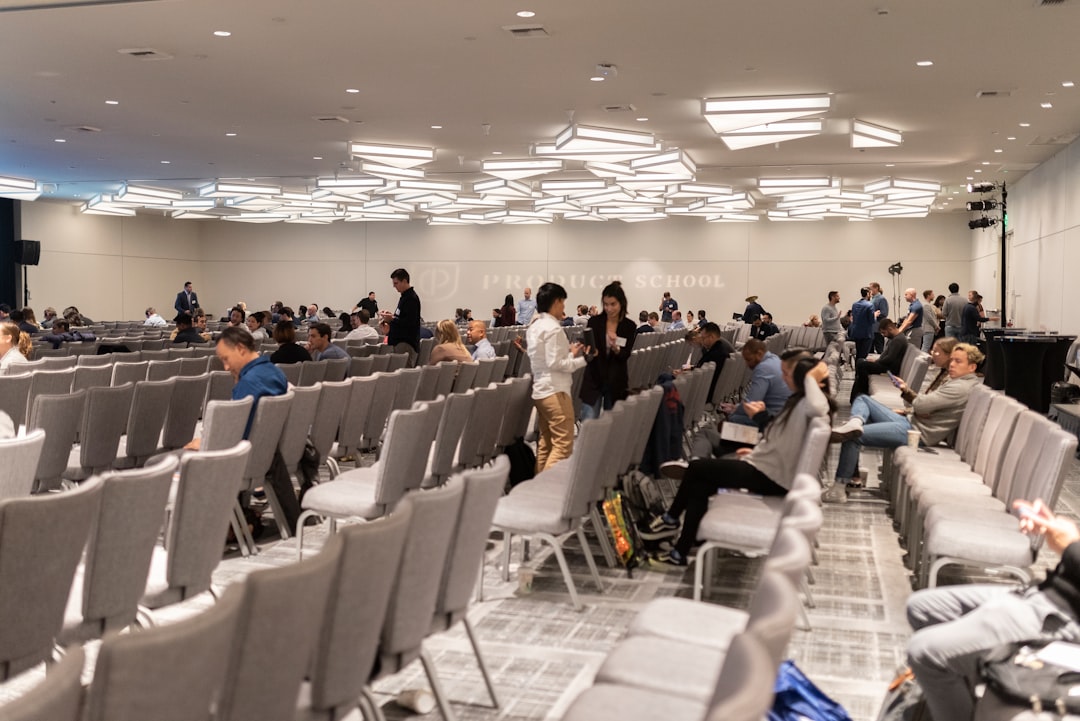
Mastering the Art of Conference Planning: Tips and Tricks for Every Budget
When it comes to organizing a successful conference, it can feel like you’re trying to juggle flaming torches while riding a unicycle. With so many moving parts—venue selection, speaker coordination, and budget management—it’s easy to get overwhelmed. But fear not! In this guide, we’ll dive into the ins and outs of conference planning, from budget-friendly options to luxury touches, ensuring you can pull off an unforgettable event, regardless of your financial constraints.
### Start with the Basics: Define Your Objectives
Before you get lost in the weeds of logistics, start by defining the objectives of your conference. Are you aiming to educate, inspire, or network? Having a clear goal will guide your decisions throughout the planning process. For instance, if your focus is networking, consider formats that promote interaction, like breakout sessions or roundtable discussions.
### Budgeting: The Balancing Act
Budgeting can be one of the trickiest aspects of conference planning. First, outline your total budget and break it down into categories: venue, catering, marketing, and speakers. Don’t forget to include a buffer for unexpected expenses. A well-planned budget can give you the freedom to splurge a little where it counts, like on a keynote speaker who can draw a crowd.
**Affordable Options:**
For those working with a tighter budget, look into community centers, universities, or local libraries as venues. These places often have meeting spaces that can be rented at a fraction of the cost of traditional conference venues. Consider digital solutions like virtual conferences or hybrid models that allow for wider participation without the high costs associated with travel and accommodation.
**Luxury Choices:**
On the other hand, if you have the budget to spare, consider high-end venues with all the amenities. A beautiful hotel or conference center can elevate the overall experience, making your event feel more prestigious. Don’t hesitate to invest in quality catering and professional AV services; they can make a world of difference in attendee satisfaction.
### Eco-Friendly Conference Planning
In today’s world, sustainability is a must. Many attendees now expect events to minimize their environmental impact. Here are some eco-friendly practices to consider:
– **Digital Materials:** Opt for digital agendas, ticketing, and promotional materials to reduce paper waste.
– **Sustainable Catering:** Work with catering companies that prioritize locally sourced ingredients and provide options for plant-based meals.
– **Transportation:** Encourage carpooling, provide shuttle services, or even explore partnerships with rideshare companies to minimize your carbon footprint.
### DIY Approaches: The Personal Touch
If you’re feeling ambitious (and a little crafty), consider taking a DIY approach to some aspects of your conference. Handmade centerpieces, custom swag bags, and even personalized nametags can add a unique touch that sets your event apart. Just be sure to enlist a reliable team of volunteers to help you with the setup, ensuring everything runs smoothly.
### Unconventional Uses for Conferences
While conferences are traditionally seen as formal gatherings, think outside the box. How about a retreat-style conference in a natural setting? Picture it: attendees soaking in a breathtaking view, engaging in team-building exercises or wellness workshops. This approach can lead to deeper connections and a more relaxed atmosphere, allowing for genuine conversations.
### Productivity Hacks for Attendees
Don’t forget to consider the experience of your attendees. Implementing productivity hacks can make a significant difference:
– **Mindfulness Breaks:** Schedule short mindfulness or stretching sessions to help attendees recharge.
– **Networking Zones:** Create informal networking zones where attendees can mingle comfortably instead of relying solely on structured networking events.
– **Feedback Loops:** Incorporate real-time feedback tools so attendees can share their thoughts throughout the event, helping you make adjustments on the fly.
### The Psychological Impact of Conferences
It’s fascinating to note that conferences can significantly impact participants’ mental health. A well-organized event can boost motivation, creativity, and a sense of belonging. However, a chaotic or poorly executed conference can lead to frustration and disengagement. As planners, it’s our responsibility to create environments that foster positive experiences.
### Embracing Emerging Trends
As technology continues to evolve, so do the ways we plan and conduct conferences. Virtual reality (VR) and augmented reality (AR) are becoming increasingly popular for creating immersive experiences. Consider incorporating these technologies to provide unique opportunities for attendees to engage with content in novel ways.
### Conclusion
In conclusion, effective conference planning is an art that combines strategic thinking, creativity, and a touch of empathy. Whether you’re aiming for a luxurious experience or a budget-friendly gathering, there are countless ways to ensure your event stands out. Keep your objectives clear, remain adaptable, and most importantly, have fun with the process. After all, a successful conference not only informs but inspires—so go out there and create something extraordinary!